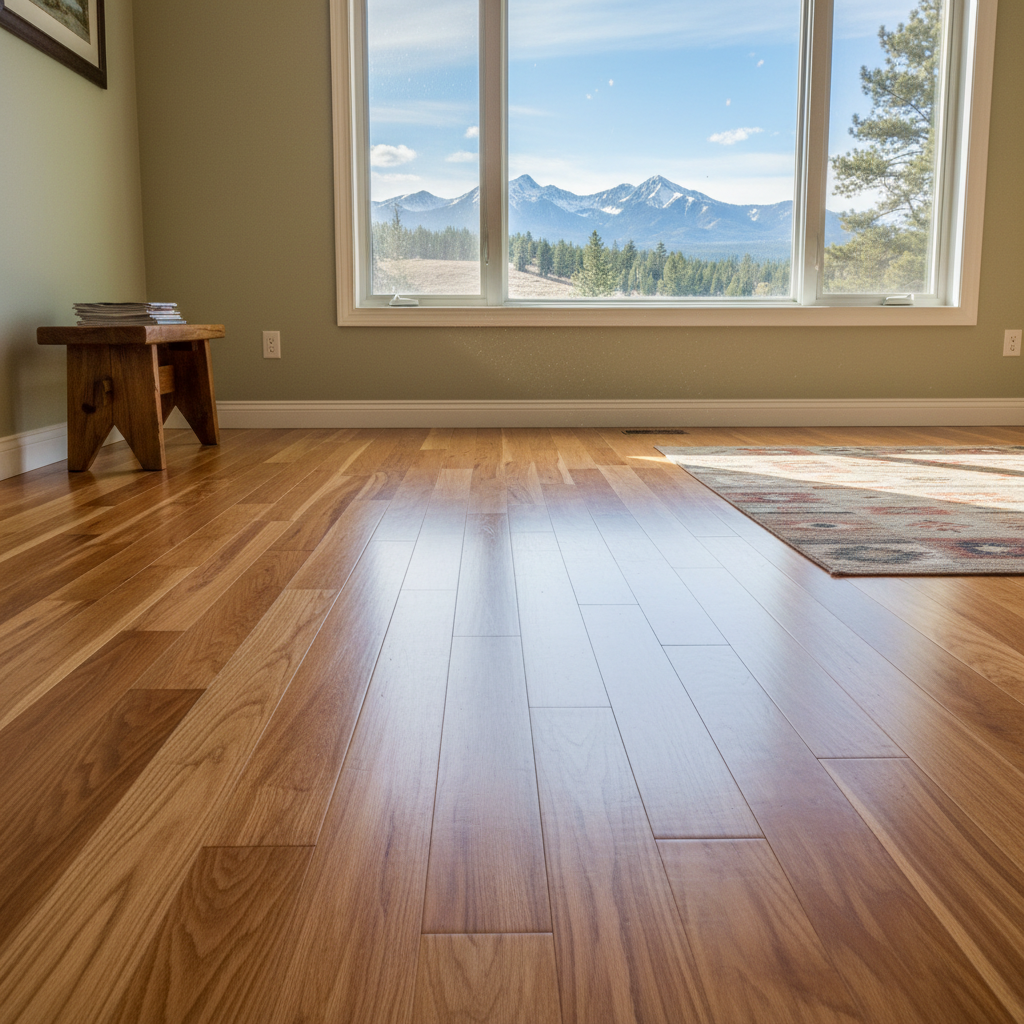
You've put good money into your floors, whether they're hardwood, LVP, or carpet. So, how do you make sure that investment actually lasts for years, especially with our one-of-a-kind Montana climate? It's not just about cleaning, you know; it's really about understanding what your floors need to stay healthy.
Extending Your Floor's Lifespan: Proactive Steps
Making your floors last isn't some kind of secret science, but it does ask for a little bit of planning ahead. Think of it like keeping up your truck – regular checks and good habits stop bigger problems from popping up later. For flooring, the biggest enemies are often things you can actually control.
- Protect from the Start: This is a big one. You should use felt pads under *all* furniture legs. I mean chairs, tables, couches, everything. Scratches are a real pain to fix, and honestly, most of them are avoidable. For entryways, especially during our snowy winters, grab some good, absorbent mats. We track in a ton of grit and moisture here in Victor, and that stuff grinds down finishes super fast.
- Mind the Sun: Our Montana sun is gorgeous, sure, but it can fade hardwood and even some LVP over time. Maybe think about UV-blocking window treatments or just rotating your rugs every so often to even out the exposure. You'd be surprised how much direct, intense sunlight can change a floor's look over several years.
- Humidity Control: This is absolutely crucial, especially for hardwood. Our dry winters and sometimes-humid summers can make wood expand and contract. Try to keep your indoor humidity consistent, ideally between 35-55%. A humidifier in winter and a dehumidifier in summer can seriously make a huge difference. I've seen floors cup and gap significantly when folks just ignore this.
- No Shoes Inside: I get it, it's a tough habit to break for some people, but taking off shoes at the door drastically cuts down on the dirt, grit, and chemicals tracked onto your floors. It's one of the simplest, most effective things you can do.
Regular Maintenance: Your Weekly & Monthly Routine
This isn't about deep cleaning every single day; it's about consistent, gentle care. What works for one type of floor won't work for another, so always check your manufacturer's recommendations first. But here are some general pointers:
- Sweep or Vacuum Regularly: For hard surfaces, a soft-bristle broom or a vacuum with a hard floor attachment is your best friend. Do this a few times a week, maybe more often if you have pets or kids running around. For carpets, vacuum at least once a week, more in those high-traffic spots. This gets rid of that abrasive grit before it can scratch or wear down the fibers.
- Damp Mop (Not Wet!): For LVP and most finished hardwoods, a damp mop is perfectly fine. Use a pH-neutral cleaner specifically made for your floor type. Never, ever use too much water, especially on wood. That's how you end up with swelling, warping, and finish damage. A well-wrung mop or a spray mop works best.
- Spot Clean Spills Immediately: Don't let spills just sit there. Blot them up quickly. The longer they sit, the more likely they are to stain or soak into the finish.
- Deep Clean (Annually/Bi-Annually): For carpets, getting them professionally cleaned every 12-18 months is a pretty good idea. For hard surfaces, a more thorough cleaning with the right products can bring back some of that shine.
Warning Signs: When Something's Not Right
Your floors will definitely tell you when they're having a bad day. You just need to know what to look for. Catching these problems early can save you a lot of headache – and money.
- Hardwood: Look for gaps between boards, cupping (where the edges are higher than the middle), crowning (middle higher than edges), or excessive squeaking. These are often issues tied to humidity. Fading or dull spots might mean the finish is wearing thin, by the way.
- LVP/LVT: Watch for edges or corners lifting, especially near walls or in busy areas. Scratches that go right through the wear layer are also a concern. Bubbling or buckling can point to moisture problems underneath.
- Carpet: Obvious matting in traffic lanes, smells that just won't go away, or areas that simply don't come clean anymore are all signs of wear. Fraying edges or seams coming apart also need attention, pronto.
- General: Any unexplained moisture, persistent damp spots, or a sudden change in how the floor looks should be checked out.
When to Call a Professional: Don't DIY Everything
Look, I'm all for tackling projects yourself, but some things are just better left to the pros. When it comes to your floors, knowing when to pick up the phone can stop a small issue from turning into a massive, expensive one.
- Significant Water Damage: If you've had a burst pipe or a serious leak, especially in an older home in the Pine Meadows area, don't try to dry it out yourself. You need professional water mitigation and, often, flooring replacement. Hidden moisture can lead to mold and structural issues.
- Extensive Hardwood Refinishing: If your hardwood floor is dull, scratched, and you're seeing bare wood in spots, it's time for a refinish. This is a skilled job that involves sanding and applying new finish correctly. A DIY job can easily lead to uneven sanding or a poor finish.
- Large-Scale Repairs: If you have multiple damaged LVP planks, widespread carpet delamination, or big subfloor issues, it's usually more efficient and effective to call in someone with the right tools and experience.
- Pest Infestations: If you suspect termites or other wood-boring insects, get a pest control expert first, and then a flooring professional to check the damage and suggest repairs.
- Mysterious Issues: If you can't figure out why your floor is gapping, buckling, or getting soft spots, please don't guess. We can often diagnose the root cause, whether it's a subfloor issue, moisture problem, or something else entirely.
Taking care of your floors isn't just about keeping them looking good; it's about protecting your home's value and comfort. A little bit of consistent effort really goes a long way. If you're ever unsure about a problem or need advice on specific products, don't hesitate to reach out to us at Peak Flooring. We're here to help you keep those floors in top shape for years to come.