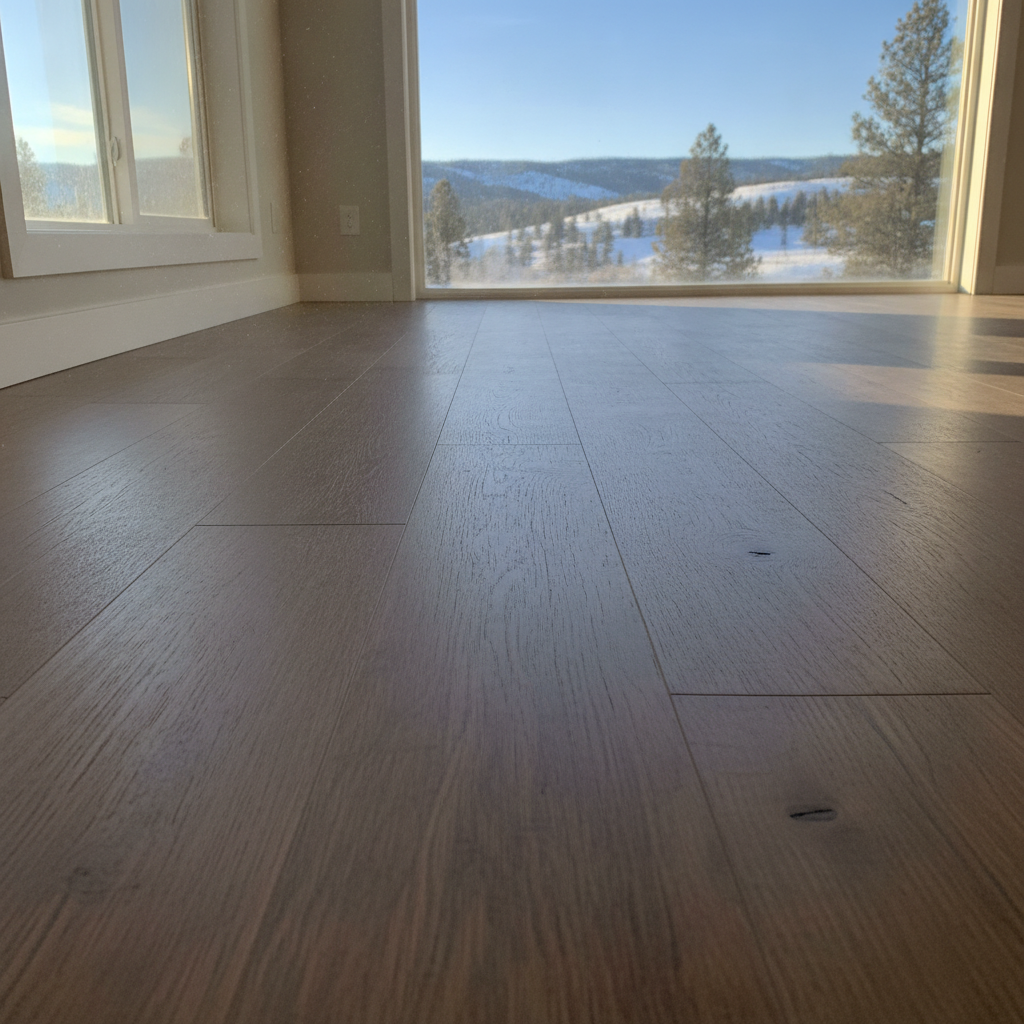
Tackling a Flooring project around Victor means dealing with dry winter air, spring mud seasons, and subfloors that have seen decades of Bitterroot Valley weather. Whether you are replacing old carpet in a ranch-style house out near the foothills or upgrading a kitchen floor closer to town, knowing what to expect can save you many hours of trouble. Peak Flooring sees plenty of projects where homeowners take on too much work, or conversely, spend money on tasks they could easily handle themselves.
Before the Hammer Swings: Planning and Prep
Getting ready for new floors is half the battle. Before a single plank or tile arrives at your door, you need to think about acclimatization. Hardwood and engineered products sitting in a chilly Bitterroot garage will not behave once you bring them into a heated home. Let them sit inside the room where they are going for a few days.
- Clear out furniture and disconnect electronics ahead of time.
- Check your subfloor for squeaks, dips, or moisture issues.
- Measure your square footage twice and add ten percent for cuts and waste.
Demolition is usually where homeowners decide if they want to keep working or call in backup. Pulling up old carpet and tack strips is dirty work, but it is entirely doable over a weekend if you have a good pry bar and heavy-duty trash bags. Ripping up glued-down tile or old sheet vinyl, however, is a difficult grind involving scraping and chemical adhesives that will make you wish you had hired help from the start.
During the Install: DIY vs. Pro Territory
Once the prep work is done, you have to look at the actual installation. Floating click-lock luxury vinyl plank (LVP) is very forgiving for a handy homeowner. If you have basic tools, patience, and straight walls—which are rare in older homes around here—you can knock out a spare bedroom or living room in a weekend.
Tile and solid hardwood are a completely different ballgame. If you are laying down porcelain tile in an entryway that catches wet snow and mud all winter, one crooked line or bad mortar mix will stare back at you for years. Pros have the wet saws, laser levels, and muscle memory to get transitions smooth and grout lines straight. Peak Flooring frequently gets calls to rip out DIY tile jobs that cracked because the subfloor deflection was not calculated right for our local framing standards.
After the Installation: Keeping It Right
Once the floors are down, your job shifts to maintenance. Bitterroot grit acts like sandpaper under foot traffic, especially if you live down a gravel driveway. Invest in good doormats, sweep regularly, and use manufacturer-approved cleaners instead of whatever harsh chemicals you have got under the sink. Protect your investment early, and your new floors will handle whatever Montana throws at them.